Certified Specialists
in Orthodontics
3 Locations to Serve You —
Kildonan/Transcona, Southdale, & Selkirk, MB!
Request a Consultation Free Consults No referral needed

Our Blog

We strive to always provide the most up-to-date treatments so you know that you really are receiving the best care possible.

Myths of Orthodontics

September 22nd, 2021

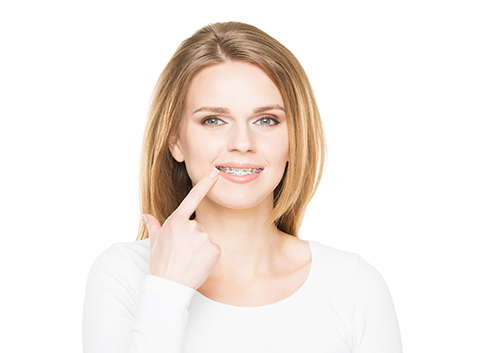
The stereotypical braces wearer – in middle school, with a mouth full of metal brackets – has led to numerous myths about orthodontics that discourage many people from getting the dental care they need. Dr. Brent Nickolaychuk and our staff would like to put some of these myths to rest.

Myth 1: Orthodontic treatment is for kids. Although teenagers often visit the orthodontist to get braces, adults represent a growing proportion of orthodontic patients. Whether you’re eight or 80, a consultation with an orthodontist can identify problems with your teeth, jaws, or bite that can be corrected by orthodontic interventions.

Myth 2: Traditional, metal braces are my only option. Advances in orthodontic technology have rendered improved braces and other orthodontic appliances that are much less noticeable than the braces of yesteryear. Ask Dr. Brent Nickolaychuk about Invisalign® braces and other options that make sense for your situation.

Myth 3: Orthodontic treatment is only helpful for crooked teeth. Sure, a crooked smile is a common reason that patients seek orthodontic care. However, orthodontic interventions help with a range of dental health problems. From missing teeth to overbite to jaw misalignment, your orthodontist can help with many problems associated with the teeth, gums, and jaws.

Myth 4: Orthodontic treatment is too expensive. As with any medical procedure, orthodontics can be pricey. However, our Winnipeg, Selkirk, or Southdale, MB team works with patients to find payment plans, insurance coverage, or other payment options that reduce the financial burden.

Eating with Damon® Smile Braces

September 15th, 2021

Damon Smile braces are a unique type of self-ligating braces that allow you to eliminate the rubber bands that cause so much trouble for traditional braces wearers. These braces use a steady pattern of pressure to correct your teeth, and they can shift your teeth more rapidly than traditional braces can.

The unique design of Damon Smile braces helps to reduce the buildup of food particles and debris that can tend to get lodged in the brackets of traditional metal braces. Thus, eating with Damon Smile can actually be easier because your cleaning job is simpler.

There are several different foods that you might want to focus on during your early days with Damon Smile braces. The most important thing to remember is that you need to focus on soft foods and non-chewy foods immediately after you get your Damon Smile braces. Remember to chew carefully and evenly as you start to adjust to your new braces.

As you become comfortable with the braces, consider gradually re-introducing the crunchier and harder foods that you usually enjoy. Most Damon Smile braces patients are able to eat virtually anything that they usually can, as long as caution is used. However, particularly chewy foods, for example taffy, are something that you might want to avoid in general.

Some Damon Smile braces patients tell us that they are successful in eating all the same foods they did prior to braces! Overall, you can expect a very smooth transition into wearing Damon Smile braces, and you will be able to enjoy remarkably fast smile correction at the same time.

If you are curious about Damon Smile braces or if you have specific questions about how they can help you, please feel free to contact our Winnipeg, Selkirk, or Southdale, MB office anytime!

What causes crooked teeth?

September 8th, 2021

Teeth erupt crookedly for a number of reasons that range from genetics to mouth deformities and serious oral diseases. When extra teeth or abnormally large teeth create a malocclusion (crookedness or misplacement of teeth), the culprit is usually genetic in nature. Other inherited traits involve jaws that are too small to accommodate a full set of teeth and misaligned jaws that did not form properly in the womb.

Can crooked teeth be prevented?

In most cases, underbites, overbites, and crooked teeth are genetically derived and can’t be avoided. Orthodontic treatment with braces will be necessary to correct the condition once the child is old enough to wear them. However, certain early childhood behaviors may also contribute to the development of crooked teeth that can be avoided. These include:

  • Thumb sucking and tongue thrusting
  • Losing baby teeth to decay before permanent teeth have naturally pushed them out of their sockets
  • Allowing pacifier use to continue after front teeth have erupted

Permanent teeth underneath baby teeth are directly affected by the health of baby teeth. If baby teeth are prematurely lost due to decay or trauma, permanent teeth will shift when they start moving upward. Baby teeth are like anchors for permanent teeth that help guide them as they erupt through the gums.

In addition, excellent care of baby teeth is vital to having healthy permanent teeth free of discoloration or decay. Harmful oral bacteria can spread into the gums and reach permanent teeth still buried in the gums. Once attached to a tooth’s enamel, bacteria will begin eroding the tooth even before it has a chance to take its first bite!

When to Start Orthodontic Treatment for Crooked Teeth

Dr. Brent Nickolaychuk and our staff suggest that parents bring your child to Kildonan Orthodontics around age seven to rule out potential issues with permanent teeth eruption. If problems are discovered, it is not unusual to begin orthodontic treatment at that age. In fact, specific conditions such as crowding and gaps between teeth are easier to correct at an early age.

Early treatment also benefits from the growth process of the jaw, which helps move teeth to normal positions.

How are Damon® Smile self-ligating braces different?

September 1st, 2021

Braces don't look or feel much like braces anymore. New materials and techniques have made braces lighter and more comfortable than ever before.

One of the most intriguing developments involves Damon Smile self-ligating braces. You might recall that older style braces involved a lot of wire and rubber bands to keep in place. As teeth moved into their new positions, all that material had to be moved, too. In the meantime, the rubber and wire blocked toothbrushes and floss. In other words, it was really hard to keep teeth clean.

Damon Smile braces eliminate the connecting wires and rubber bands. Instead, one permanent component keeps braces in place. Self-ligation eliminates the need for headgear or external wires in most cases, making these braces a winner in the appearance category, too.

Avoid the Cutting Edge

Traditional braces pose a small but painful risk: you can catch your cheek or gum on the rough edge of the brace wires. Damon Smile braces have a smoother surface that significantly reduces that risk.

Because the braces self-adjust and move with teeth, patients need fewer appointments at our Winnipeg, Selkirk, or Southdale, MB office. They don’t have to come in for tightening or readjustments. Teeth can move into position faster with self-ligating braces, although this can vary by patient. Patients report the braces are pretty comfortable, too.

More Room to Move

Another thing we like about Damon Smile braces: they actually adapt to the shape of the mouth as teeth change position. As a result, Dr. Brent Nickolaychuk won’t have to pull back teeth to create space for crowded front teeth.

If you need braces, you have a lot of options. There’s probably never been a better time to look into having your teeth straightened. Call our Winnipeg, Selkirk, or Southdale, MB office for guidance on the fastest and most effective way to improve your smile.

No Referral Needed!